How to Become a Successful Social Media Consultant?

With the rise of social media, businesses require experts to help them navigate the complex and ever-changing landscape of social media. This is where social media consultants come in. As a social media consultant, you can help businesses grow their online presence, increase their reach, and engage with their target audience. This article will discuss how to become a successful social media consultant.

Understanding the Role of a Social Media Consultant

Before diving into becoming a successful social media consultant, it’s essential to understand what the role entails. A social media expert is responsible for creating and executing strategies that align with a business’s goals. This includes creating content, managing social media accounts, analyzing data, and staying up-to-date with the latest trends.

Becoming a Successful Social Media Consultant

Step 1: Build Your Brand

Building your brand is one of the first things you should do as a social media consultant. This means creating a solid online presence showcasing your social media expertise. Start by creating profiles on social media platforms and regularly posting content that showcases your skills and knowledge.

Building Your Brand: Why It Matters

Personal branding is more than just a buzzword; it’s a crucial aspect of your professional life. It’s about establishing yourself as a thought leader, a trusted expert in your industry. Building your brand can help you stand out, showcase your skills and expertise, and advance your career.

The Elements of a Strong Personal Brand

A solid personal brand is built on several key elements:

A clear message: Your brand should be clear and concise. It should communicate who you are, what you do, and what makes you unique. Your message should be consistent across all platforms, from your website to social media profiles.

Professional appearance: Your appearance is a critical part of your brand. Dress professionally, and make sure your online presence reflects your professional image.

Expertise: It would be best if you were seen as an expert in your field to build a solid personal brand. Staying up-to-date with the latest tech developments and continually honing your skills.

Consistency: Consistency is critical when it comes to building a personal brand. Be consistent in your messaging, appearance, and actions. This will help you establish yourself as a trusted authority in your industry.

Step 2: Build Your Network

Networking is a crucial part of being a successful social media consultant. Attend events, conferences, and workshops related to social media to meet other professionals in the industry. This will help you build relationships and gain new clients.

Attend Networking Events

Attending networking events like industry conferences or meetups is a great way to connect with like-minded professionals. Be prepared to introduce yourself and your brand.

Utilize Social Media

Social media is the best tool for building your network. LinkedIn is beneficial for professional networking. Join industry-related groups, engage with other professionals, and share your expertise to increase visibility.

Volunteer and Get Involved

Volunteering and getting involved in your community or industry can help you expand your network. Attend charity events, join local organizations, and offer to speak at events to increase your visibility and connect with others in your field.

Follow Up and Nurture Relationships

Building a solid network requires follow-up and relationship-building. Follow up with new connections after networking events, engage with your network on social media, and offer your help or expertise when needed. Nurturing these relationships will help you build a strong network of professionals who can support your brand.

Step 3: Gain Experience

To become a successful social media consultant, you must have field experience. Start by offering your services to family and friends or small businesses. This will help you gain experience and build your portfolio.

Becoming a successful social media consultant requires more than just knowledge of the latest trends and techniques. To truly excel in this field, you must have experience and a deep understanding of social media. Here are some tips on how to gain experience as a social media consultant:

Build Your Own Social Media Presence

The best way to gain experience with social media is to build your presence on various platforms. Create and manage social media accounts for yourself or your brand, and experiment with different techniques to increase your reach and engagement.

Offer to Manage Social Media Accounts for Small Businesses

Small businesses often struggle with managing their social media presence and may be willing to hire a consultant to help. Offer to manage their social media accounts for free to gain experience and build your portfolio.

Volunteer for Nonprofits

Nonprofits often need help with social media management, and volunteering to manage their social media accounts can be a way to gain k. This will also allow you to build relationships in your community and showcase your expertise to potential clients.

Take on Internships or Freelance Projects

Internships or freelance projects can provide valuable experience in social media consulting. Look for opportunities to work with established consultants or agencies, as this can expose you to various clients and industries.

Stay Up-to-Date with Industry Trends

Staying current with the latest social media trends and techniques is crucial for success as a social media consultant. Attend industry conferences, read industry blogs and publications, and network with other professionals to stay informed and expand your knowledge.

social media expert

social media expert

Step 5: Hone Your Skills

As a social media consultant, you must have a wide range of skills, including content creation, management, data analysis, and customer service. Take courses or workshops to hone your skills and stay ahead of the competition.

In today’s technology-driven world, strong IT skills are essential for career growth and success. Whether you want to advance in your current role or make a career change, honing your IT skills can help you stay competitive and relevant. Here are some tips on how to improve your IT skills:

Take Courses and Certifications

Taking courses and earning certifications can be a great way to improve your IT skills. There are many online courses available that can help you learn new skills. Some popular certification programs include CompTIA, Cisco, and Microsoft.

Attend Conferences and Networking Events

Attending conferences and networking events can provide valuable opportunities to learn from other professionals and stay up-to-date with industry trends. Many IT organizations host events and conferences throughout the year, so check out their schedules and plan to attend those that align with your career goals.

Practice with Real-World Projects

Practicing your IT skills with real-world projects can help you gain hands-on experience and improve your problem-solving abilities. Look for opportunities to work on projects within your organization or volunteer for nonprofit organizations that require IT support.

Learn to Code

Learning to code can be a valuable skill in many IT roles. Many online resources can help you learn to code, including Codecademy, Udemy, and Coursera. You can also attend coding boot camps or enroll in coding-focused degree programs.

Stay Up-to-Date with Industry News

It is crucial for IT professionals to stay informed about the latest technology trends and news. Subscribe to industry publications, follow relevant social media accounts, and attend webinars to keep up-to-date and informed about new developments in the field.

Step 6: Determine Your Niche

To stand out as a social media consultant, it’s essential to determine your niche. This could be a specific industry, such as healthcare or beauty, or a specific social media platform like Instagram or LinkedIn. Focusing on a place will help you become an expert in that area and attract clients specifically looking for that expertise.

Determining your niche is essential in creating a successful business or career. Your place is where you specialize and differentiate yourself from others in your field. Here are some tips on how to determine your location:

Assess Your Skills and Interests

Start by assessing your skills and interests. What are you good at, and what do you enjoy doing? Identifying your strengths and passions can help you find a niche that aligns with your interests and allows you to use your skills effectively.

Research the Market

Research the market to identify gaps or areas of high demand. Look at your competitors and analyze what they are offering. Is there a particular area where they are lacking or where you could differentiate yourself? Consider conducting surveys or interviews with potential clients to understand their needs and pain points.

Step 8: Build Your Portfolio

A strong portfolio is essential for any social media consultant. This should include examples of your work, such as social media campaigns you’ve managed and the results they produced. Your portfolio should showcase your skills and experience to potential clients.

As a social media consultant, your portfolio should showcase your experience, expertise, and creativity in managing social media platforms and creating effective social media campaigns. Here are some tips for building your portfolio for a social media consultant:

Highlight your social media experience: List your previous clients and the social media platforms you have managed. Showcase your ability to grow followers, engagement, and brand awareness through social media.

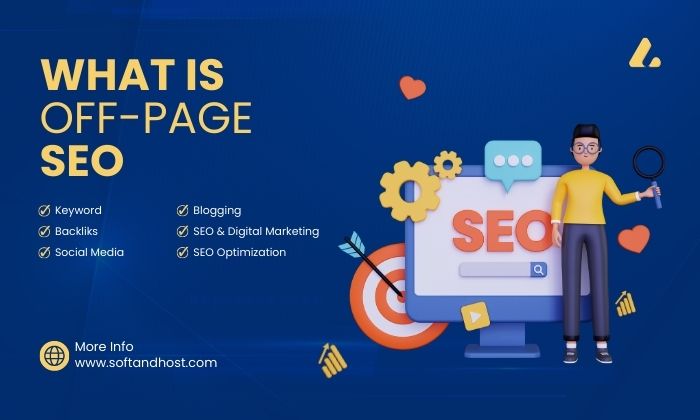
Off-Page SEO: Everything You Need to Know

Showcase your campaign results:

  1. Share case studies of successful social media campaigns you have executed.
  2. Include metrics such as reach, engagement, conversions, and ROI.
  3. Highlight your ability to target the right audience, create compelling content, and optimize campaigns for social media platforms.

Demonstrate your social media skills: Showcase your ability to create engaging content, including graphics, videos, and copy. Share examples of your social media posts, ads, and stories. Highlight your ability to use social media analytics and tools to measure performance and make data-driven decisions.

Show your industry knowledge: Demonstrate your expertise in social media trends, best practices, and emerging platforms. Share thought leadership pieces, blog posts, or webinars showcasing your social media marketing knowledge and insights.

Provide recommendations: Include recommendations or testimonials from satisfied clients or colleagues. Highlight your ability to build strong client relationships, communicate effectively, and deliver results.

Conclusion

Becoming a successful social media consultant takes time, effort, and dedication. By following the steps outlined in this article, you can build your expertise, gain experience, and attract new clients. Remember to stay up-to-date with the latest trends and tools, hone your skills, and determine your niche. With the right approach, you can become a successful social media consultant and help businesses achieve their goals.

FAQs

Q: What skills do I need to become a social media consultant? 

A: To become a successful social media consultant, you need a combination of creative, analytical, and interpersonal skills. These include content creation, social media management, data analysis, project management, and client communication. You must also stay up-to-date with social media trends, best practices, and tools.

Q: How do I build my social media consulting portfolio? 

A: To build your social media consulting portfolio and showcase your experience, expertise, and creativity in managing social media platforms and creating effective social media campaigns. Highlight your social media experience, campaign results, skills, industry knowledge, and client recommendations. Create a visually appealing portfolio using LinkedIn, Behance, or Dribbble.

Q: How do I find clients as a social media consultant? 

A: To find clients as a social media consultant, you can leverage your personal and professional network, attend networking events, reach out to potential clients on social media, or join freelance platforms like Upwork or Fiverr. You can also offer free consultations or create a lead magnet to attract potential clients.

Q: How do I price my social media consulting services? 

A: To price your social media consulting services, consider your experience, expertise, and market demand. You can charge an hourly rate, a project-based fee, or a retainer fee. Research industry benchmarks and adjust your pricing based on your value proposition, deliverables, and competition.

Q: How do I measure the success of social media campaigns? 

A: To measure the success of social media campaigns, track metrics such as reach, engagement, conversions, and ROI. Use social media analytics tools like Facebook Insights, Twitter Analytics, and Google Analytics to measure performance and optimize campaigns. Set clear goals and KPIs for each campaign and adjust your strategy based on the results.

Read Also: Web Hosting Company in Lahore Pakistan

Off-Page SEO: Everything You Need to Know

At its core, SEO (search engine optimization) is all about getting your website to rank higher on search engine results pages (SERPs). While many factors influence your ranking, both on-page and off-page factors play a critical role in determining how search engines like Google evaluate your website’s relevance, authority, and trustworthiness.

In this article, we’ll focus on off-page SEO, which refers to all the factors outside your website that can impact your ranking.

What is off-page SEO?

Off-page SEO refers to all the factors that impact your website’s ranking outside your website’s pages themselves. This includes things like:

  • Backlinks: Links from other websites to your website
  • Social media: Social media shares, likes, and followers
  • Online reputation: Reviews, ratings, and mentions of your website
  • Brand mentions: Non-linked mentions of your brand online
  • Guest blogging: Contributing content to other websites in your industry
  • Influencer marketing: Collaborating with influencers to promote your website

Why is off-page SEO important?

Off-page SEO is important because it can impact how search engines evaluate your website’s authority, relevance, and trustworthiness. When other reputable websites link to your website, it signals to search engines that it is trustworthy and valuable. Similarly, when people talk positively about your brand online, it signals to search engines that it is reputable and relevant.

How can you improve your off-page SEO?

Improving your off-page SEO requires a strategic approach that focuses on building your website’s authority, relevance, and trustworthiness. Here are some tips to get started:

Build high-quality backlinks

One of the best ways to improve your off-page SEO is to build high-quality backlinks from reputable websites in your industry. This can include:

  • Guest blogging on other websites in your industry
  • Contributing to industry-specific forums and online communities
  • Building relationships with other websites in your industry and asking for backlinks

Optimize your social media profiles

Your social media profiles can impact your off-page SEO, so optimizing them for search engines is essential. This includes:

  • Including relevant keywords in your profiles
  • Linking to your website from your social media profiles
  • Sharing content from your website on social media
  • Engaging with your audience on social media

Monitor your online reputation

Your online reputation can impact your off-page SEO, so it’s essential to monitor it regularly. This includes:

  • Monitoring online reviews and ratings of your website
  • Responding to negative reviews and comments
  • Encouraging satisfied customers to leave positive reviews
  • Building relationships with bloggers and journalists in your industry

Use influencer marketing

Influencer marketing is the most effective way to improve your off-page SEO. This involves collaborating with influencers in your industry to promote your website and products. This can include:

  • Offering influencers free products or services in exchange for reviews
  • Collaborating with influencers on social media campaigns
  • Hosting events or webinars with influencers

What are the best SEO techniques

There are many off-page SEO techniques that you can use to improve your website’s ranking and visibility in search engine results pages. Here are some of the best off-page SEO techniques:

What are the best SEO techniques

What are the best SEO techniques

  1. Guest blogging: Guest blogging involves writing high-quality, informative content for other websites in your industry. By contributing guest posts, you can build backlinks to your website to make authority in your niche. Choose reputable websites with high domain authority and relevance to your place.
  2. Social media marketing: Social media marketing involves promoting your website and content on social media platforms. Sharing your content and engaging with your audience on social media can drive traffic to your website and improve your online reputation. Optimize your social media profiles and use relevant hashtags to improve your visibility.
  3. Influencer marketing: Influencer marketing involves collaborating with influencers in your industry to promote your products or services. By partnering with influencers with a large social media following or a high authority level in your niche, you can reach new audiences and build backlinks to your website.
  4. Online reputation management: Online reputation management involves monitoring your brand’s reputation online and addressing negative feedback or reviews. By responding to negative feedback and encouraging positive reviews, you can improve your brand’s reputation and trustworthiness, impacting your search engine ranking.
  5. Link building: Link building involves acquiring backlinks from other reputable websites in your niche. This can include reaching out to other websites in your industry and asking for a link or creating high-quality content that naturally attracts backlinks. Avoid black hat SEO techniques like buying links or participating in link farms, which can hurt your search engine ranking.
  6. Content marketing: Content marketing involves creating high-quality, informative content that attracts backlinks and social media shares. Creating valuable and engaging content can establish your website as an authority in your niche and improve your search engine ranking. Make sure to use relevant keywords and optimize your content for search engines.

What are the common mistakes to avoid in off-page SEO?

Off-page SEO can be a highly effective way to improve your website’s search engine rankings and visibility, but it’s essential to avoid common mistakes that can harm your efforts. Here are common mistakes to avoid in off-page SEO:

  1. Low-quality backlinks

Building low-quality backlinks are one of the biggest mistakes you can make in off-page SEO. Low-quality backlinks can harm your website’s reputation and rankings, as search engines like Google penalize websites that engage in spammy or manipulative link-building tactics. Focus on building high-quality, relevant backlinks from reputable websites in your niche.

  1. Keyword stuffing

Another common mistake in off-page SEO is keyword stuffing. Keyword stuffing involves cramming your content with irrelevant or excessive keywords to rank higher in search engine results pages. This practice can hurt your website’s rankings and reputation, making your content appear spammy and low-quality. Ensure to focus on creating high-quality, informative content that naturally includes relevant keywords.

  1. Ignoring online reputation management

Online reputation management is crucial to off-page SEO, as your website’s reputation and trustworthiness can impact your search engine rankings. Ignoring negative feedback or reviews can harm your website’s reputation while responding to feedback and encouraging positive thoughts can improve your reputation and trustworthiness.

  1. Focusing solely on link building

While link building is an integral part of off-page SEO, it’s important to remember that it’s not the only factor that impacts your website’s search engine rankings. Focusing solely on link building and ignoring other aspects of off-page SEO can harm your overall SEO strategy.

  1. Ignoring social media

Social media can be effective to improve your website’s visibility and drive traffic. Ignoring social media or failing to engage with your audience on these platforms can harm your off-page SEO efforts. Optimize your social media profiles and actively engage with your audience on these platforms.

How can you measure your off-page SEO success?

Measuring the success of your off-page SEO efforts can be challenging, as many different factors can impact your website’s search engine rankings and visibility. However, there are several metrics that you can use to gauge the effectiveness of your off-page SEO strategy:

  1. Backlink quality and quantity: The quality of backlinks pointing to the website can indicate your off-page SEO success. High-quality backlinks from good websites can help to rank websites.
  1. Referral traffic: Referral traffic refers to the traffic that comes to your website from other websites, social media platforms, or other online sources. By tracking your referral traffic, you can gain insights into which sources drive the most traffic to your site and adjust your off-page SEO strategy accordingly.
  1. Social media engagement: Social media can be an essential part of off-page SEO, as it can help improve your website’s visibility and drive traffic. By tracking your social media engagement metrics, such as likes, shares, and comments, you can get insights of your audience and adjust your social media strategy accordingly.
  1. Brand mentions: Brand mentions refer to instances where your brand or website is mentioned online, even if there is no link to your site. By tracking your brand mentions, you can gain insights into your brand’s overall awareness and reputation online.
  1. Search engine rankings: While off-page SEO is just one factor that impacts your website’s search engine rankings, tracking your rankings for your target keywords can be an excellent way to measure the overall effectiveness of your off-page SEO efforts.

Overall, measuring the success of your off-page SEO efforts requires a multi-faceted approach that considers various metrics and factors. By tracking these metrics over time, you can gain insights into which aspects of your off-page SEO strategy work well and adjust your approach to improve your website’s search engine rankings and visibility.

FAQs

Q: What is off-page SEO?

A: Off-page SEO refers to the activities and techniques used to improve a website’s visibility and search engine rankings outside the website itself. This includes tactics such as link building, social media marketing, influencer outreach, and content marketing.

Q: Why is off-page SEO important?

A: Off-page SEO is important because it helps to signal to search engines that your website is a high-quality, authoritative source of information on a particular topic. You can improve your website’s search engine rankings and visibility by building high-quality backlinks and establishing a solid presence on social media and other online channels.

Q: What are some standard off-page SEO techniques?

A: Some standard off-page SEO techniques include:

  •      Link building: Building high-quality backlinks from other websites to your site
  •      Social media marketing: Building a solid presence on social media platforms and using them to promote your website and content
  •      Influencer outreach: Partnering with influencers in your industry to promote your website and content
  •      Content marketing: Creating high-quality, valuable content that others will want to share and link to
  •      Guest blogging: Writing guest posts for other websites in your industry to build backlinks and promote your brand

Q: What are some mistakes to avoid in off-page SEO?

A: Some common mistakes to avoid in off-page SEO include:

  • Building low-quality or spammy backlinks
  • Focusing solely on building links and neglecting other off-page SEO tactics
  • Ignoring social media and other online channels
  • Not targeting the right keywords or audience in your off-page SEO efforts
  • Failing to measure the success of your off-page SEO strategy and adjust it as needed

Q: How can I measure the success of my off-page SEO efforts?

A: Some metrics to track to measure the success of your off-page SEO efforts include:

  • Backlink quality and quantity
  • Referral traffic
  • Social media engagement
  • Brand mentions
  • Search engine rankings for target keywords

Q: Is off-page SEO more important than on-page SEO?

A: On-page and off-page SEO are essential website ranking improvements. While off-page SEO can help to grow website authority while on-page SEO is essential for ensuring that your website is optimized for search engines. SoftandHost is one of the best SEO Companies in Lahore Pakistan.

Also Read: Web Development Company in Lahore

5 Best Digital Marketing Tools (Free & Paid)

Digital marketing is constantly evolving, and businesses must keep up with the latest tools and technologies to stay ahead of their competitors. In this article, we will explore the 5 best digital marketing tools, both free and paid, that businesses can use to improve their digital marketing efforts.

5 Best Digital Marketing Tools

As a top-tier digital marketing agency, we understand the importance of having the right tools in your arsenal. In the constantly evolving landscape of digital marketing, having access to the latest and greatest tools can give you an edge over your competition. In this article, we will be sharing the top 5 digital marketing tools that we use on a daily basis to drive success for our clients.

#1. Google Analytics

Google Analytics is web analytics tool businesses can use to track website traffic, user behavior, and other metrics. With Google Analytics, companies can gain valuable insights into how their customers interact with their website, identify areas for improvement, and measure the success of their digital marketing efforts.

Getting Started with Google Analytics

If you’re new to Google Analytics, the first step is to sign up for an account. Click the “Start for free” button. You’ll then be asked to sign in with your account or create a new one.

After you’ve set up your property, you’ll need to add the tracking code. To do this, click the “Tracking Info” section of your property settings and click “Tracking Code.” You’ll then be given a code to add to your website’s HTML. Once you’ve added the code, Google Analytics will track visitor activity on your website.

google analytics

google analytics

Understanding Google Analytics Metrics

Once you’ve set up Google Analytics, you’ll have access to a wealth of data about your website’s visitors. But what do all these metrics mean? Here are some of the most important metrics to keep an eye on:

Sessions: A session is an exchange on a website within a time frame. A session can include multiple pageviews, events, and other exchanges.

Users: A user is a unique visitor to your website. A unique ID determines the users that Google Analytics assigns each visitor.

Pageviews: Pageview is a view of a single page on a website. Multiple page views can be included in a single session.

#2. Hootsuite

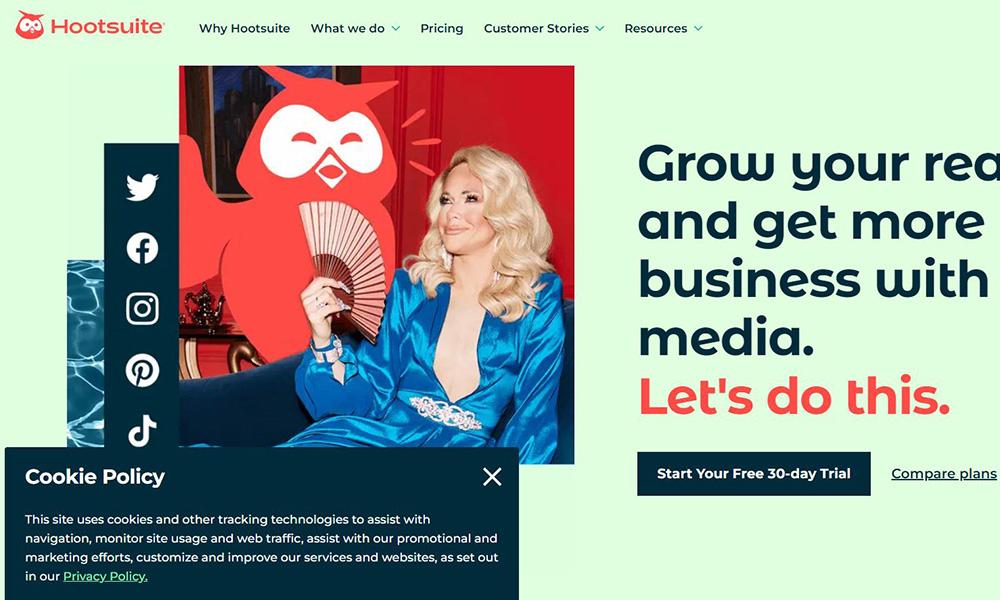
Hootsuite is a social media management tool businesses can use to manage and schedule their content across multiple platforms. With Hootsuite, companies can track social media analytics, monitor brand mentions, and engage with their audience in real-time.

Hootsuite is a tool that enables individuals and businesses to manage multiple social media accounts from one platform. This article will examine Hootsuite, its features, and how it can help companies and individuals manage their social media accounts.

Hootsuite

Hootsuite

Features of Hootsuite

  1.  Social media scheduling: Hootsuite allows you to schedule your posts in advance, so you don’t have to manually worry about posting at the right time. This feature saves time and ensures that your content is posted optimally when your followers are most active.
  2.  Social media monitoring: Hootsuite allows you to monitor your social media account activity, including mentions, comments, and messages. This feature lets you respond to your followers promptly and track your brand’s social media reputation.
  3.  Social media analytics: Hootsuite provides detailed analytics on your performance, including engagement, reach, and follower growth. This feature helps you understand how your content is performing and identify areas for improvement.
  4. Collaborative tools: Hootsuite allows you to collaborate with your team on social media content creation and management. This feature ensures everyone is on the same page and can contribute to your social media strategy.

Benefits of Using Hootsuite

  • Time-saving: Hootsuite enables you to schedule your posts in advance, saving you time and focusing on other aspects of your business.
  • Cost-effective: Hootsuite is a cost-effective social media management tool that allows you to manage multiple social media accounts from a single dashboard.
  • Increased efficiency: Hootsuite streamlines managing multiple social media accounts, making it easier and more efficient.
  • Improved social media strategy: Hootsuite’s detailed analytics and collaborative tools help businesses and individuals improve their social media strategy and achieve their goals.

#3. SEMrush

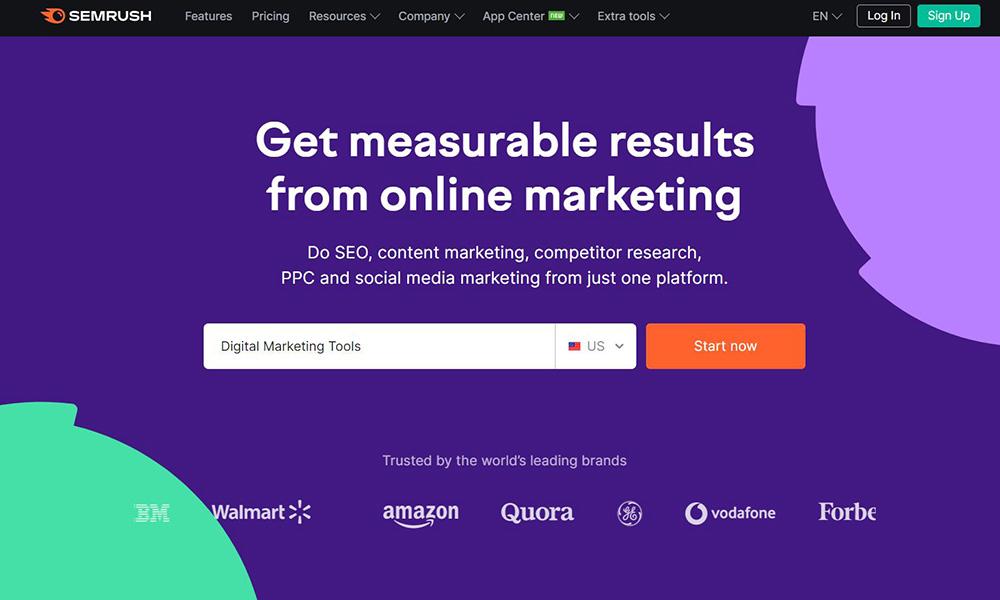
SEMrush is a paid search engine optimization (SEO) tool businesses can use to research keywords, track rankings, and analyze their competitors’ SEO strategies. With SEMrush, companies can identify opportunities to improve their rankings and drive traffic to their website.

SEMrush analyzes data from search engines and provides users with valuable insights into their competitors’ online strategies.

Here are some of the critical features of SEMrush:

Keyword Research: SEMrush allows users to discover new keywords and phrases related to their business and identify high-value keywords their competitors use.

Site Audit: SEMrush can analyze a website’s technical SEO, on-page optimization, and content quality to identify areas for improvement.

Backlink Analysis: SEMrush can analyze a website’s backlink profile to identify high-quality links, toxic links, and opportunities for new backlinks.

Competitive Analysis: SEMrush allows users to analyze their competitors’ online strategies, including top-performing content, organic and paid search traffic, and social media activity.

semrush

Semrush

Why is SEMrush Important for Your Business?

SEMrush is essential for businesses because it provides valuable insights into their online strategies and helps them improve their digital marketing efforts.

Improved SEO: SEMrush can help businesses improve their SEO by identifying high-value keywords, optimizing their website’s technical SEO and content quality, and analyzing their competitors’ SEO strategies.

Better Content Marketing: SEMrush can help businesses create better content by analyzing their competitors’ top-performing content, identifying new content opportunities, and providing insights into what content resonates with their audience.

Increased Traffic and Conversions: SEMrush can help businesses improve their organic and paid search traffic, identify opportunities for new backlinks, and optimize their website’s conversion rate.

Also Read: Web Hosting Company

#4. Mailchimp

Mailchimp is a popular email marketing tool businesses can use to create and send email campaigns to their customers. With Mailchimp, companies can create targeted email campaigns, automate their email marketing, and track email campaign performance.

mailchimp

mailchimp

Mailchimp Features

Mailchimp offers many features to help you create, manage, and send email campaigns.

Here are some of the top features:

  1. Email Campaigns: With Mailchimp, you can create and send email campaigns to your subscribers. You can customize your campaigns with your branding and choose from various templates to get started.
  2. Automation: Mailchimp allows you to set up automated campaigns, saving time and effort. You can set up triggers that send emails based on subscriber behavior, such as when they sign up or purchase.
  3. Segmentation: Mailchimp’s segmentation feature divides your email list into groups based on various criteria, such as location or purchase history. This allows you to send targeted campaigns to specific groups, which can help improve your open and click-through rates.
  4. A/B Testing: Mailchimp offers A/B testing, which allows you to test different versions of your email campaigns to see which performs better. This can help you optimize your campaigns and improve your results over time.
  5. Analytics: Mailchimp provides detailed analytics on your campaigns, including open rates, click-through rates, and more. You can use this information to adjust your campaigns and improve your results.

#5. HubSpot

HubSpot is an all-in-one inbound marketing platform businesses can use to attract, engage, and delight customers. With HubSpot, companies can create and optimize their website, manage their social media and email campaigns, and track the performance of their digital marketing efforts.

hubspot

hubspot

HubSpot Features

HubSpot is an all-in-one platform that offers a range of features to help you streamline your marketing efforts. Here are some of the top features:

  1.  CRM: HubSpot’s CRM (customer relationship management) system allows you to manage your contacts and track your interactions with them. You can use this information to personalize your marketing efforts and improve your customer relationships.
  2. Marketing Hub: HubSpot’s Marketing Hub includes tools for creating and managing email campaigns, social media campaigns, landing pages, and more. You can use these tools to attract leads, nurture them, and convert them into customers.
  3. Sales Hub: HubSpot’s Sales Hub includes tools for managing your sales pipeline, tracking deals, and automating your sales processes. You can use these tools to close more deals and increase your revenue.
  4. Service Hub: HubSpot’s Service Hub includes tools for managing customer service requests, tracking customer feedback, and automating your support processes. You can use these tools to improve your customer satisfaction and loyalty.
  5. Reporting and Analytics: HubSpot provides detailed reporting and analytics on your marketing efforts, including website traffic, lead generation, and sales performance. You can use this information to measure your success and make data-driven decisions.

Frequently Asked Questions about the Best Digital Marketing Tools

Digital marketing is an ever-evolving field, and having the right tools in your arsenal to keep up is crucial. Here are some frequently asked questions about the best digital marketing tools:

  1. What are the best tools for email marketing?

Some of the top tools for email marketing include Mailchimp, Constant Contact, and Campaign Monitor. These platforms allow you to create and send email campaigns, track your results, and automate your email marketing efforts.

  1. What are the best tools for social media management?

Many social media management tools, including Hootsuite, Buffer, and Sprout Social, are available. These platforms allow you to schedule and publish social media posts, monitor your brand’s mentions and engagement, and analyze your social media performance.

  1. What are the best tools for SEO?

Some of the top tools for SEO include SEMrush, Ahrefs, and Moz. These platforms allow you to research keywords, track your website’s rankings, and analyze your competitors’ SEO strategies.

  1. What are the best tools for content creation?

Many tools are available for content creation, including Canva, Grammarly, and Google Docs. These platforms allow you to create visually appealing graphics, check your grammar and spelling, and collaborate with others on content creation.

  1. What are the best tools for analytics?

Regarding analytics, Google Analytics is one of the top tools available. It allows you to track your website’s traffic, user behavior, and conversions. Other analytics tools to consider include Mixpanel, Adobe Analytics, and Kissmetrics.

  1. What are the best tools for PPC advertising?

Some of the top tools for PPC advertising include Google Ads, Bing Ads, and Facebook Ads Manager. These platforms allow you to create and manage your PPC campaigns, track your results, and optimize your ad spend.

Also Read: Web Development Company in Lahore

Buy Domain Name in Pakistan

SoftandHost is one of the best domain registration companies in Pakistan. We are providing world-class IT services like Domain registration, Web Hosting, Web Development, Graphic designing, and more. SoftandHost is an experienced company where you can buy Domain names in Pakistan at the best price.

What is a domain name and how it works?

Internet is a huge network of computers connected with each other by Cables. Every computer has a unique network address called IP. The domain name is also the type of IP address for access the network. The domain name is the address of your website, which we type in the URL bar and access the website. For example, if your website is a property or house and your domain name is an address. 

If you are thinking to start your online business or want to make an online presence for your current business then you have to buy a domain and Hosting. You should book a Domain name that presents your company as a brand. As the internet becomes the base of most businesses, whether its online store or company profile website.

How to get a Domain name?

To get your business domain name first of all you must decide the right name for the domain then purchase it from Domain Registrar. There are many Domain name registrars in the world like Godaddy, NameCheap, or SoftandHost. You can also buy your domain from your hosting provider company. You must provide some basic information for domain registration like Name, Email, Phone number, and postal address. Normally you can buy your domain for 1 year to 10 years. You can use alphabets, hyphens, and numbers in your domain name.

Tips for choosing a domain name

When you are going to buy your domain name keep these points in your mind.

  • Make your domain easy and short 
  • Include your primary keyword in your domain
  • If possible try to target your local audience 
  • Choose your domain catchy and memorable for everyone.
  • Don’t try to choose trademark or same domain with another extension
  • When you decide and select the domain name buy it urgently because maybe any other one going to buy the same.
  • Try to buy the .com domain if available 

Domain Extension                                              

There are thousands of TLD available these days, you can choose it as your requirement. Dot Com domain is the most registered domain in the world. Other top-level domains are .org, .net, .biz, and .info. The normal price of a domain is 10 USD per year. Godaddy and Namecheap is the best source to find the best available domain for you.

Web Hosting in Pakistan 

SoftandHost has a world-class web hosting infrastructure and vast experience in the Web Hosting and Web development industry. We are offering our services since 2009 with honesty and trust. We have empowered more than 1000 customers all over the world. We have a premium SSD server that provides the best speed with security. We have also some premium packages include with dedicated to RAM and IP addresses for our customers.

Check Post: Wooden Door Designs